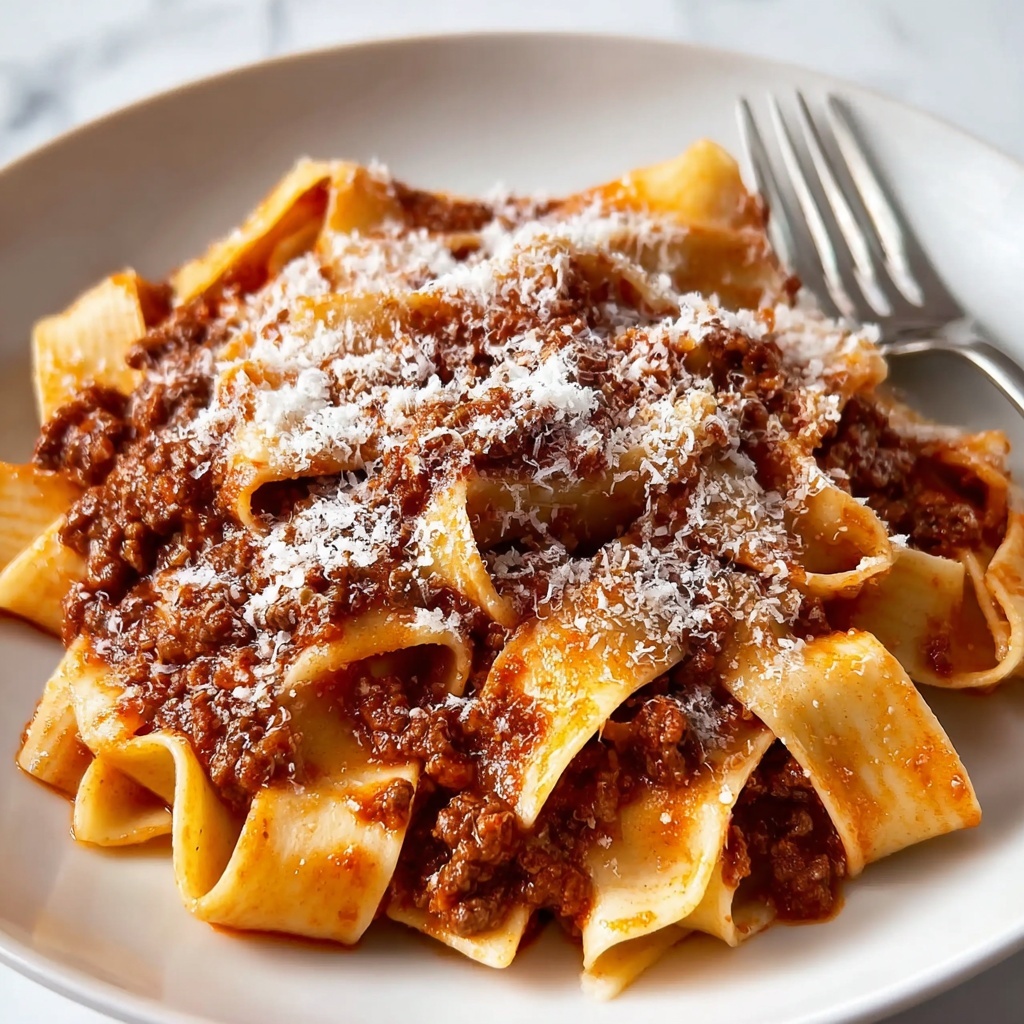
If you are craving a soul-warming dish that bursts with the authentic flavors of Italy, this Tuscan Ragu Recipe is exactly what you need. Slow-cooked to perfection, it combines tender beef and rich pork sausage with fresh vegetables, aromatic herbs, and a luscious blend of tomatoes and red wine. The layers of flavor in this ragu will have you swooning over every bite, making it perfect for cozy family dinners or impressing friends with a comforting yet sophisticated meal. Get ready to fall in love with a classic Tuscan ragu that feels like a delicious culinary hug from the heart of Italy.
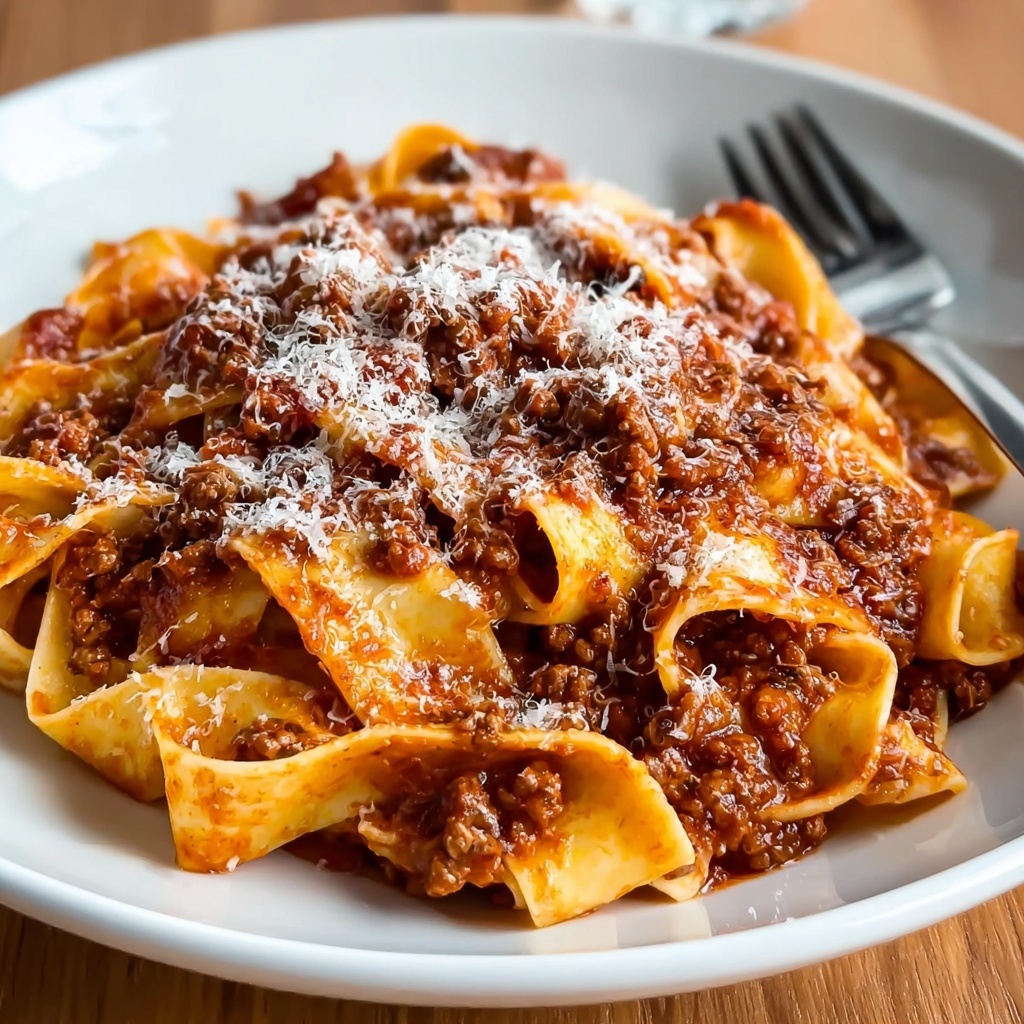
Ingredients You’ll Need
This Tuscan Ragu Recipe relies on a handful of simple, wholesome ingredients that come together to create a complex and deeply satisfying flavor profile. Each component plays a crucial role in building the perfect texture, richness, and balance for the sauce.
- Olive oil (1-2 tbsp): Use a good quality extra virgin olive oil to gently sauté the vegetables, creating a fragrant base.
- Onion (1, chopped): Adds sweetness and depth, forming a soft backbone for the ragu.
- Celery (2 ribs, diced): Brings a slight crispness and freshness to balance the meatiness.
- Carrots (2, chopped): Introduces natural sweetness and vibrant color.
- Garlic (2-3 cloves): Infuses a warm, earthy aroma essential for that Italian flair.
- Rosemary leaves (1 sprig): Fresh rosemary adds a fragrant, piney note that elevates the sauce.
- Beef mince (900g / 2lbs): The main protein, providing a rich, meaty texture.
- Pork sausage (450g / 1lb, casing removed): Offers added fat and spice for extra depth and sweetness.
- Dry red wine (250ml / 1 cup): Adds acidity and complexity, melding the flavors beautifully.
- Canned chopped tomatoes (400g / 14oz): Provides a chunky, fresh tomato base.
- Tomato passata or crushed tomatoes (500ml / 17½ oz): Makes the sauce silky and thick with intense tomato flavor.
- Tomato paste (3 tbsp): Concentrates the tomato flavor, giving the ragu richness and color.
- Salt, to taste: Essential for bringing all the flavors into harmony.
- Black pepper (1/2 tsp): Adds subtle heat and sharpness to round out the profile.
How to Make Tuscan Ragu Recipe
Step 1: Sauté the Vegetables
Begin by heating 1 tablespoon of olive oil in a large, heavy-bottomed pan or Dutch oven over low heat. Add the chopped onions, diced celery, chopped carrots, minced garlic, and fresh rosemary leaves. Cook gently for about 10 minutes without letting the vegetables brown. This slow, careful cooking releases their natural sweetness and aromas, creating a flavorful base that lays the foundation for your ragu.
Step 2: Brown the Meat
Next, add the beef mince and pork sausage (with the casing removed). Use a spatula to break up the meat, stirring constantly to ensure even cooking. Cook until the meat is completely browned and no longer pink inside. This step is crucial as proper browning builds layers of savoriness and caramelized flavors that make the sauce irresistible.
Step 3: Add Wine and Tomatoes
Pour in the dry red wine and increase the heat to medium. Let it simmer for about 10 minutes, allowing the alcohol to cook off while infusing the meat with a rich complexity. Then add the canned chopped tomatoes, tomato passata (or crushed tomatoes), and tomato paste. Season with salt and black pepper. Stir everything together to combine.
Step 4: Simmer the Ragu
Lower the heat, cover the pan, and let the ragu gently simmer for 1.5 hours, stirring occasionally. This long, slow cooking tenderizes the meat and melds the flavors into a thick, luscious sauce. If the ragu becomes too thick, add a splash of water to loosen it.
Step 5: Adjust Seasoning
After simmering, taste your ragu and adjust the salt and pepper as needed. The goal is a beautifully balanced sauce with pronounced tomato flavors, tender meat, and aromatic herbs all shining through.
How to Serve Tuscan Ragu Recipe
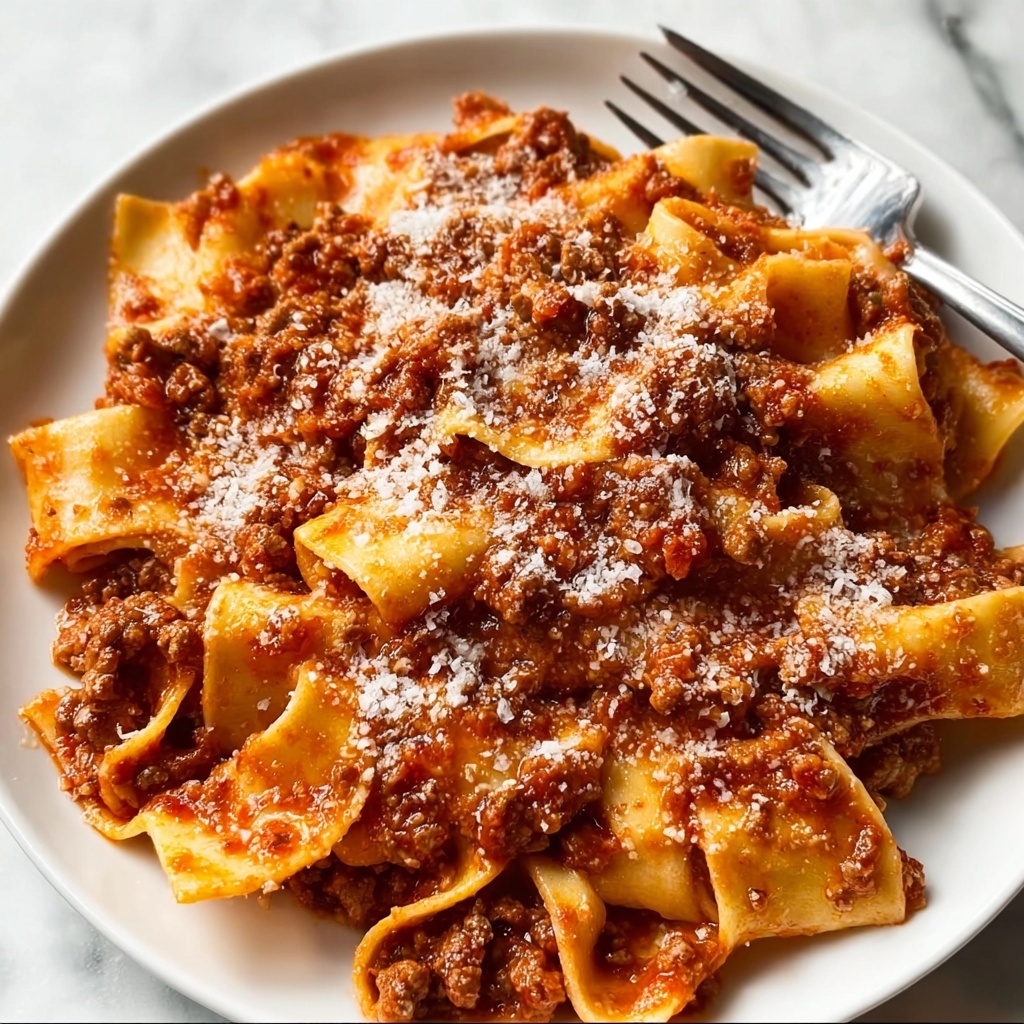
Garnishes
A sprinkle of freshly grated Parmesan cheese adds a salty, nutty kick to your Tuscan ragu. For a fresh herbal touch, finely chopped flat-leaf parsley or basil works wonders. A drizzle of extra virgin olive oil just before serving brings a lovely sheen and richness.
Side Dishes
This ragu shines served over al dente pappardelle or tagliatelle pasta. Creamy polenta or buttery mashed potatoes are fantastic alternatives that soak up the sauce beautifully. Rustic garlic bread offers a crunchy, garlicky way to enjoy every last bit of the ragu.
Creative Ways to Present
For a comforting twist, spoon the Tuscan Ragu Recipe into hollowed-out bell peppers or stuffed spaghetti squash. Layer it into a baked pasta casserole with mozzarella and béchamel for an indulgent feast. Or simply pile it atop grilled vegetables for a lighter, wholesome option.
Make Ahead and Storage
Storing Leftovers
Once cooled, store any leftover Tuscan ragu in an airtight container in the refrigerator. It will keep well for up to 3 days, making it an ideal make-ahead option for busy weeknights.
Freezing
This Tuscan Ragu Recipe freezes beautifully. Portion it into freezer-safe containers or bags, leaving room for expansion. Freeze for up to 3 months. When needed, thaw overnight in the fridge before reheating.
Reheating
Reheat the ragu gently over low heat on the stovetop, stirring occasionally. Add a splash of water or broth to loosen the sauce if it has thickened too much. This keeps the meat tender and the sauce luscious without drying out.
FAQs
Can I make this Tuscan Ragu Recipe in a slow cooker?
Absolutely! After browning the meat and sautéing the vegetables, transfer everything to a slow cooker and cook on low for 6 to 8 hours. This method still produces an incredibly rich and tender ragu.
What kind of wine is best for this ragu?
A dry red wine like Chianti, Sangiovese, or Merlot works beautifully. Choose a wine you’d enjoy sipping, as the flavor intensifies during cooking.
Can I use only beef or only pork?
Yes, but using a combination of beef mince and pork sausage adds extra layers of flavor and fat, which make the sauce richer and more nuanced.
Is this recipe gluten-free?
The ragu itself is gluten-free, but be mindful of the pasta or side dishes you serve with it. Using gluten-free pasta or polenta makes it safe for gluten-sensitive diets.
How thick should the ragu be when it’s done?
Your Tuscan Ragu Recipe should be thick and hearty, coating the back of a spoon nicely. It shouldn’t be watery but still moist enough to cling to pasta or sides.
Final Thoughts
Making this Tuscan Ragu Recipe is like opening a window into the heart of Italian home cooking. The slow-simmered flavors, the satisfying textures, and the way it brings people together around the table make it a dish worth trying again and again. Whether for a special occasion or a simple weeknight meal, this ragu promises comfort, soul, and sheer deliciousness in every bite. Dive in and share the joy of Tuscan cuisine—your kitchen will thank you!
Print
Tuscan Ragu Recipe
- Prep Time: 20 minutes
- Cook Time: 2 hours
- Total Time: 2 hours 20 minutes
- Yield: 10 servings
- Category: Main Course
- Method: Stovetop
- Cuisine: Italian, Tuscan
Description
This rich and hearty Tuscan Ragu recipe is a classic Italian meat sauce slow-simmered to perfection. Using a combination of beef mince and pork sausage, softened vegetables, and a blend of tomatoes and red wine, it creates a deep, flavorful sauce ideal for pairing with pasta or polenta. The long, gentle simmer allows all the ingredients to meld, resulting in a thick, meaty, and aromatic ragu that embodies traditional Tuscan cuisine.
Ingredients
Vegetables & Herbs
- 1 onion, chopped
- 2 ribs celery, diced
- 2 carrots, chopped
- 2–3 cloves garlic, minced
- 1 sprig rosemary leaves, only
Meat
- 900g / 2lbs beef mince (ground beef)
- 450g / 1lb good quality pork sausage, casing removed
Liquids & Tomatoes
- 1–2 tbsp olive oil
- 250ml / 1 cup dry red wine
- 400g / 14oz canned chopped tomatoes
- 500ml / 17½ oz tomato passata or crushed tomatoes
- 3 tbsp tomato paste
Seasoning
- Salt, to taste
- 1/2 tsp black pepper
Instructions
- Sauté Vegetables: In a large and deep frying pan or Dutch oven, heat 1 tablespoon of olive oil over low heat. Add the chopped onions, diced carrots, diced celery, minced garlic, and chopped rosemary leaves. Cook gently for about 10 minutes without letting the vegetables brown, allowing them to soften and release their flavors.
- Brown Meat: Add the beef mince and pork sausage (with casing removed) to the pan. Use a spatula to break up the meat into small pieces. Stir frequently and cook until the meat is fully browned and no longer pink inside.
- Add Wine and Tomatoes: Pour in 250ml (1 cup) of dry red wine. Increase heat to medium and cook for approximately 10 minutes to reduce and concentrate the wine’s flavor. Then add the canned chopped tomatoes, tomato passata or crushed tomatoes, and tomato paste. Season with salt and black pepper to taste.
- Simmer Ragu: Mix everything together, then reduce the heat to low. Cover the pan with a lid and gently simmer the ragu for 1.5 hours, stirring occasionally to prevent sticking and ensure even cooking. This slow simmer melds flavors and thickens the sauce into a rich, meaty consistency.
- Adjust Seasoning: After simmering, taste the ragu and adjust the salt as needed. If the sauce is too thick, add a small splash of water to reach your desired consistency. Continue cooking uncovered if you want to thicken it further until it is thick and meaty.
Notes
- Use a heavy-based pan like a Dutch oven or deep frying pan to ensure even heat distribution during the long simmer.
- Choosing good quality pork sausage, preferably with herbs and seasoning, will enhance the ragu’s flavor.
- Be patient during the simmering process; slow cooking allows flavors to develop better.
- This ragu pairs wonderfully with wide pasta such as pappardelle, or creamy polenta.
- Leftovers taste even better the next day and freeze well for up to 3 months.